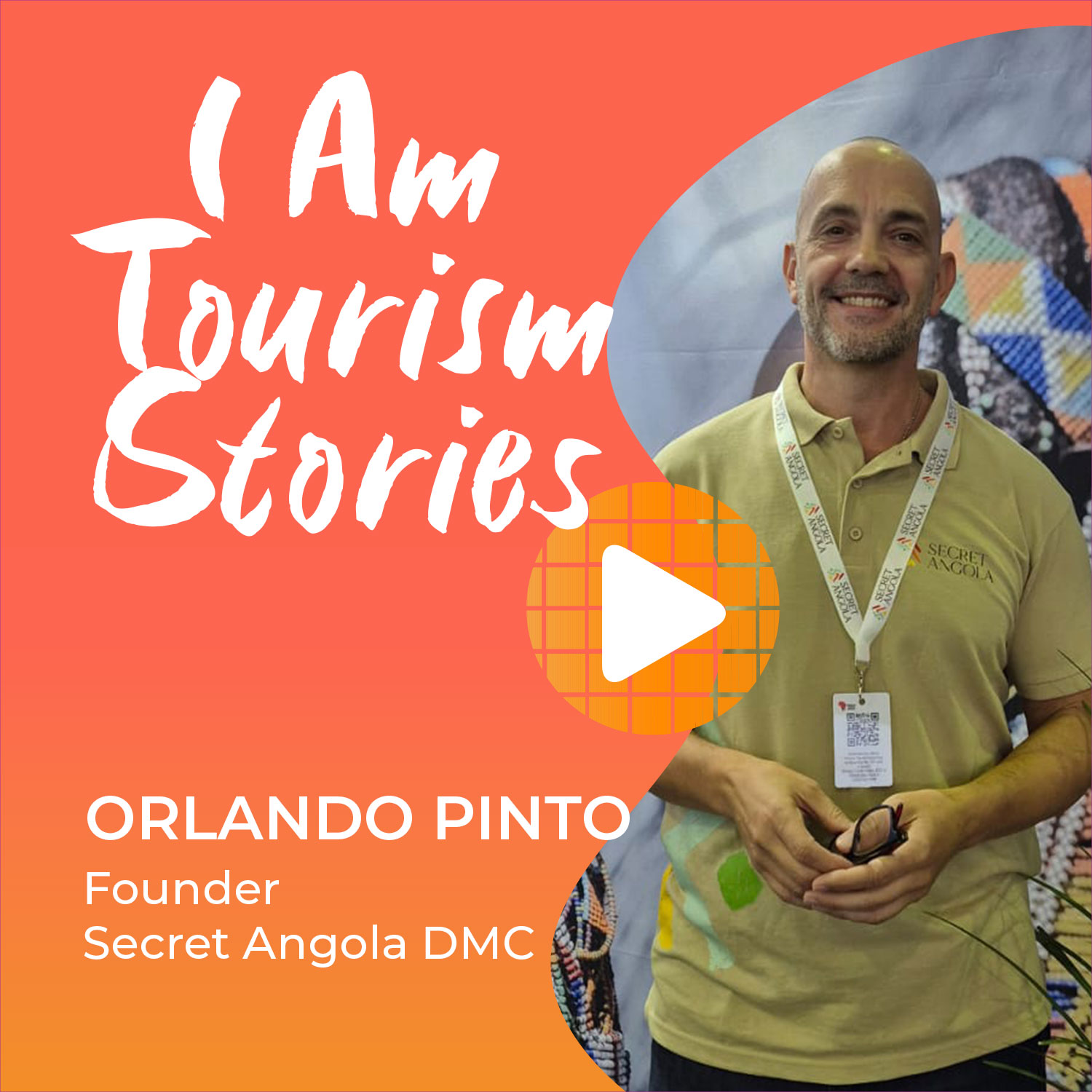
In this episode of I Am Tourism, host Melissa Foley speaks with Orlando Pinto, founder of Secret Angola DMC, about the dramatic transformation happening in one of Africa’s least-explored tourism destinations.
For decades, Angola remained virtually sealed off from international visitors – first due to civil war (ending in 2002), then through restrictive visa policies during the oil boom years. Now, with visa requirements eliminated for 98+ nationalities and strategic government investment in tourism infrastructure, the country is finally ready to welcome travellers.
Orlando shares insider perspective on what makes Angola unique – from rainforests bordering Congo to the Namib Desert in the south, the continent’s second-largest waterfalls, and authentic tribal cultures relatively untouched by tourism staging.
This conversation offers tourism professionals a rare glimpse into an emerging destination that could soon become Africa’s next frontier – complete with practical insights on pricing, accessibility, and how to position Angola for the right traveller profile.
Key Takeaways
- Orlando Pinto: “It’s safe, or just as safe as many other African countries. It’s civilised, good hotels, excellent food.”
- Orlando Pinto: “Angola cannot be sold as ‘please come for safaris’. We cannot compare with Tanzania, forget South Africa. Animals were killed to feed troops during the war.”
- Melissa Foley: “People that come to Africa once usually fall in love with it. They’re always hungry for something new and different, so this seems like a great opportunity.”
- Orlando Pinto: “It’s not so expensive as it once was – ‘the second most expensive city in the world.’ This is not true anymore. You can get by with hotels between 70-80 dollars a night.”